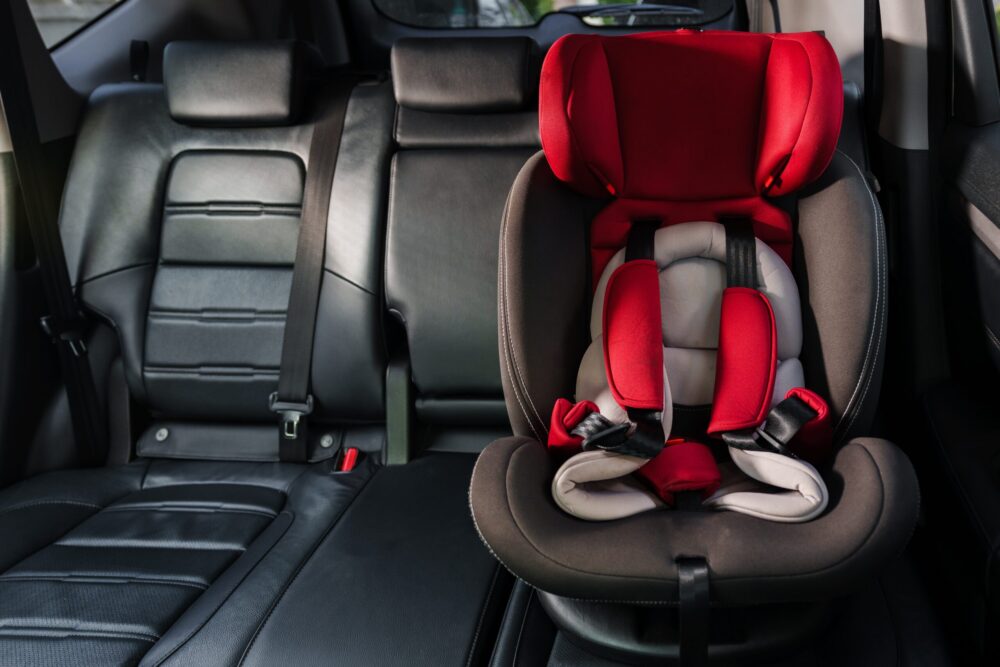
Florida parents need to be aware of major updates to child restraint requirements taking effect in 2026. These changes expand booster seat obligations to older children and can directly impact both traffic citations and personal injury claims after a crash.
At McLaughlin Morris Law, our Delray Beach personal injury attorneys closely monitor legislative updates that affect Florida families. The changes under HB 233 do more than increase safety standards. It also influences how insurance companies evaluate injury claims involving children. Understanding the new Florida car seat laws for 2026 is essential for protecting both your child and your legal rights.
The 2026 update stems from Florida House Bill 233, titled Child Restraint Requirements. The law takes effect July 1, 2026, and expands booster seat requirements to older children.
Many online resources still reference age 5 as the cutoff. That is no longer accurate once the new law goes into effect.
Under current law, booster seat requirements largely apply to younger children. HB 233 extends the requirement to children ages 6 through 8.
Beginning July 1, 2026:
This change significantly expands the booster seat age limit Florida parents must follow.
The updated statute includes a height based exception. A child who is at least 4 feet 9 inches tall may use a standard seatbelt without a booster seat.
The booster seat height requirement Florida parents should remember is 4 feet 9 inches. If your child has not reached that height, a booster seat is required until age 8.
Florida law recognizes limited exceptions to the child restraint requirements Florida families must follow.
One important exception involves a child being transported gratuitously by someone who is not a member of the child’s immediate family. This can include:
In certain situations, this exception may prevent a citation. However, parents should not treat this as a safety shortcut. Even if the driver is legally exempt from a ticket, proper restraints dramatically reduce injury risk.
Additional exceptions apply when:
Documentation is critical in these cases. Without it, a driver may still face penalties.
Parents often worry that failure to follow these new car seat laws could destroy their personal injury claim after a car crash. That is not always the case, as Florida has specific laws in place to protect injury claims.
Under Florida Statutes 316.613, failure to use a child restraint system cannot be considered comparative negligence and is not admissible as evidence in a civil trial. This is a powerful legal shield when it comes to personal injury claims.
This means a jury cannot reduce compensation simply because a child was not in a proper restraint and the defense cannot introduce noncompliance as evidence of parental fault. Many firms overlook this provision, but it can make a major difference in litigation strategy.
Florida follows a modified comparative negligence system. Generally, a plaintiff’s recovery can be reduced if they are partially at fault.
However, because Florida Statutes 316.613 specifically prohibits admitting child restraint non-use in civil trials, it cannot be used to assign comparative negligence in court.
That said, this protection applies in the courtroom. It does not necessarily prevent other tactics seen during insurance negotiations.
Even though the statute blocks admissibility at trial, insurance adjusters often raise car seat compliance during settlement discussions.
This creates what many call the insurance trap:
These arguments are designed to reduce settlement value, even if they would not hold up in court. If your child was injured in a crash, it is critical to speak with an experienced Delray Beach child injury lawyer before giving recorded statements or accepting any offer.
If you and your child are involved in a car accident:
Personal injury protection for children may cover initial medical expenses, but serious injuries often exceed PIP limits. A thorough investigation can identify all available sources of compensation.
At McLaughlin Morris Law, we view the changes under Florida House Bill 233 as more than a routine traffic update. The expansion of booster seat requirements reflects a growing recognition that children ages 6 to 8 remain vulnerable to serious injury in a collision. Proper compliance with Florida car seat laws 2026 is not simply about avoiding a citation. It is about significantly reducing the risk of catastrophic harm to your child.
As personal injury attorneys serving Delray Beach families, we also make sure our clients understand their legal protections.
If your child has been injured in a crash, our Florida attorneys are prepared to investigate the accident, handle the insurance company, and pursue full compensation for your family. Contact us today at (561) 404-0529 for a confidential consultation. Let us protect your child’s future and your legal rights.
If you’ve suffered an injury due to someone else’s negligence, McLaughlin Morris Law is ready to take on the legal burden so you can focus on healing. Our experienced personal injury attorneys will manage every aspect of your case: investigating the facts, negotiating with insurance companies, and fighting for maximum compensation.
We know the stakes are high: lost income, rising medical bills, and the stress of an uncertain future. That’s why we work on a no recovery, no fee basis. If we don’t win, you don’t pay.